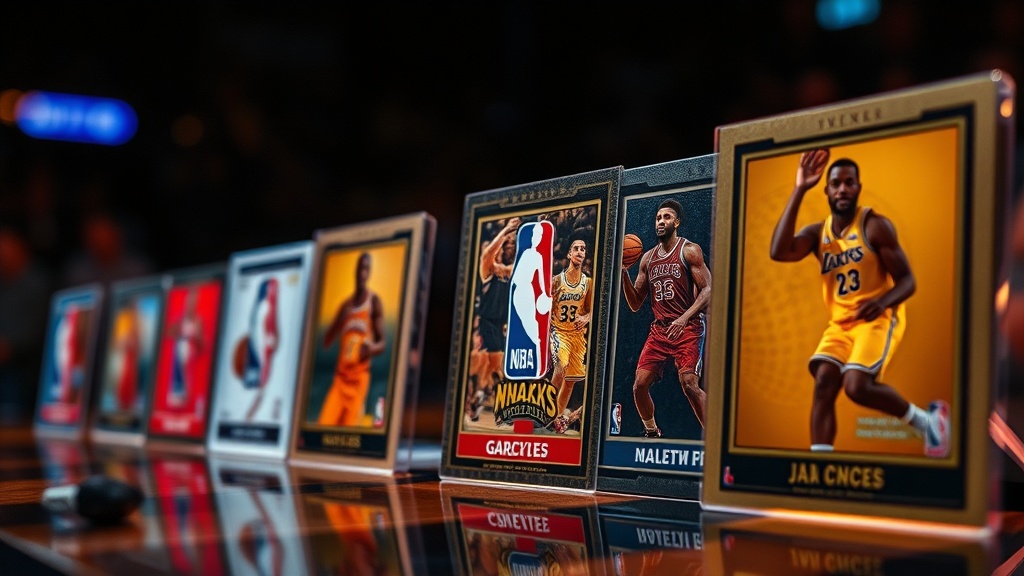
Tracing the Evolution of NBA Card Parallels and Inserts

This post tracks the technological and design shifts in NBA card parallels and inserts, from the basic base sets of the 1980s to the high-end, serialized hits of today. You'll see how manufacturers moved from simple color variations to complex, multi-layered hits that define modern collecting. Understanding these shifts helps you identify what makes a card valuable versus just a shiny novelty.
What Are the Differences Between Inserts and Parallels?
Inserts are short-printed cards found in packs that are not part of the base set, while parallels are alternative versions of the base cards themselves. An insert is a completely different design—think of a specific themed set like the 1996 Panini Precious Metal inserts. A parallel, on the other hand, is the exact same image as the base card but with a different color coating, refractor pattern, or serial number. It's the same player, just a different "skin."
The distinction matters because of how collectors value them. Inserts often drive the "fun" of a hobby box—you're hunting for a specific themed set. Parallels drive the "investment" side. When you see a "Gold Prizm" or a "Blue Refractor," you're looking at a parallel. These are often limited in number, which creates a scarcity that base cards simply don't have.
Early collectors usually dealt with very simple variations. In the late 80s and early 90s, you didn't have much beyond standard base cards and maybe a holographic insert. Then, things got weird. The mid-90s saw the rise of the "Insert Era," where companies like Upper Deck and Topps started adding much more visual flair to their chase cards. It wasn't just about the player anymore; it was about the art of the card itself.
The evolution looks something like this:
- The Base Era (Pre-1990): Standard cardboard, minimal variation, mostly focused on player stats and basic photography.
- The Insert Boom (1990s): The rise of themed sets, foil stamping, and high-gloss finishes.
- The Parallel Revolution (2000s): Introduction of serial numbering (e.g., /99, /25) and color-coded refractor technology.
- The Modern "Hit" Era (2010s-Present): Multi-layered-autograph-on-cardstock, jersey swatches, and ultra-rare color variations.
How Has Card Technology Changed Over Time?
Card technology has moved from simple printing on cardstock to complex multi-layered manufacturing involving foil, chrome, and even embedded pieces of game-worn jerseys. In the early days, if you wanted a "shiny" card, it was usually a cheap holographic sticker or a simple foil stamp. Today, a high-end card from a brand like Panini National or Flawless uses advanced printing techniques that make the card look like a piece of art.
One of the biggest leaps was the introduction of the "Chrome" or "Refractor" technology. This changed the game for the Panini Prizm brand. Instead of just a colored border, the light actually refracts through the surface, creating a rainbow effect. It's a massive difference in how the card looks under a LED light. If you aren't careful with how you handle these, you might even see surface scratches—which is why you should check out my guide on instant card condition scanning before buying high-end parallels.
We also saw the rise of "Patch" or "Memorabilia" cards. These aren't just printed images; they contain actual physical pieces of a jersey. This required a massive shift in how cards are constructed. You aren't just looking at a piece of paper anymore. You're looking at a piece of history embedded behind a clear window in the card. This level of manufacturing complexity makes these cards much harder to produce—and much more expensive to collect.
The evolution of the "Serial Numbered" card is also worth noting. In the 90s, a "limited" card might just be a rumor. Now, the number is printed right on the card (like 05/25). This provides a level of transparency and scarcity that was nonexistent in the early years. It turns the hobby from a game of luck into a game of precision-based collecting.
| Era | Primary Focus | Common Tech/Style | Typical Value Driver |
|---|---|---|---|
| 1980s | Basic Set Completion | Standard Cardstock | Rookie Status |
| 1990s | Themed Inserts | Foil, Holograms, Die-cuts | Visual Rarity |
| 2000s | Color Parallels | Refractors, Serial Numbers | Numbered Scarcity |
| 2010s-Present | Multi-faceted Hits | Chrome, Patches, Autographs | Tiered Rarity (1/1s) |
Why Are Some Parallels More Expensive Than Others?
The price of a parallel is determined by the combination of the player's popularity, the total number of that specific parallel produced, and the "tier" of the color/design. A "Base" Prizm card of a star player might be affordable, but a "Gold Prizm" or a "Black Prizm" of that same player can cost thousands of dollars. This is because the production run for the higher-tier color is significantly lower.
There are three main factors at play here:
- The Scarcity Tier: Manufacturers often use a hierarchy. A "Silver" parallel might be common, while a "Gold" is rarer, and a "Platinum" or "Diamond" is extremely rare. The more "precious" the metal or color, the higher the price usually goes.
- The Player's Performance: You can have the rarest parallel in the world, but if the player isn't a superstar, the value won't hold. A 1-of-1 (one of one) card of a bench player is still a niche item. A 1-of-1 of LeBron James or Victor Wembanyama is a trophy.
- The Serial Number: A card that is "numbered to 10" will always command a premium over a card that is "numbered to 99." The lower the number, the higher the perceived value.
It's also worth noting that "Case Hits" are a different beast entirely. These aren't true parallels in the sense that they are part of a numbered run. Instead, they are extremely rare inserts that you might only find once in an entire case of product. They aren't always numbered, but their scarcity is implied by how hard they are to pull. This can sometimes make pricing them a bit of a headache for collectors.
If you're just starting out, don't get too caught up in the "shiny" aspect. A lot of modern sets are flooded with "low-tier" parallels that look great but don't hold much value. I always suggest looking at the actual production numbers if they're available. If you're trying to build a serious collection, you'll want to know if you're buying a "common" shiny or a true rarity. If you're worried about keeping these high-end hits safe, you'll eventually need to learn how to store and protect your basketball cards to maintain that value.
The market has become much more sophisticated. You aren't just buying a card; you're buying a specific manufacturing outcome. Whether it's a "Gold Vinyl" or a "Red Refractor," the design is meant to tell you exactly how much you're paying for the privilege of owning it. It's a complex system, but once you understand the hierarchy, it's much easier to navigate the breaks and the secondary markets.
Keep an eye on the release schedules. As technology advances, the "standard" for what a high-end card looks like will continue to shift. We've gone from paper to chrome, and from chrome to multi-layered patches. The next step? It's hard to say, but the pursuit of the "perfect" hit never really ends in this hobby.