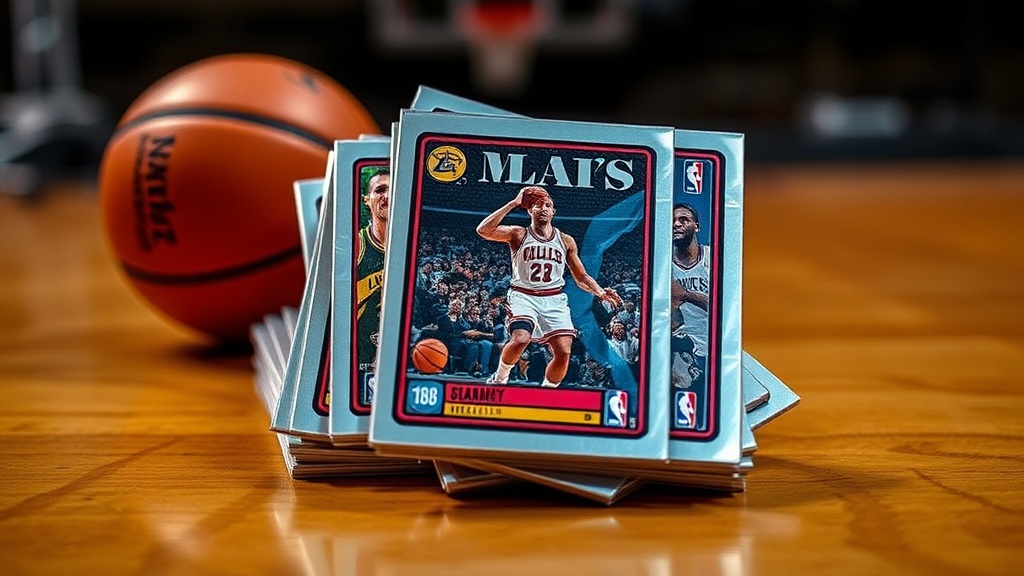
Protecting Your Investment: Protecting Basketball Cards From Environmental Damage

Ever wondered why two collectors can buy the same set of cards, yet one ends up with a pristine collection while the other struggles with warped, faded cardboard? It isn't just luck. It's about the environment where those cards live. This post covers the physical threats facing your basketball card collection—specifically humidity, light, and temperature—and how you can build a defense against them. Whether you're holding a high-end rookie autograph or a vintage Hall of Fame slab, understanding these factors is the difference between a long-term asset and a ruined piece of paper.
Is Humidity the Enemy of Your Basketball Card Collection?
If you've ever opened a box of cards and noticed a slight bend or a "wavy" texture, you've likely encountered the effects of moisture. Humidity is a silent killer in the collecting world. When air is too damp, the paper fibers in your basketball cards absorb moisture, leading to swelling and warping. This is especially common with certain modern card stocks that are more porous than older, vintage versions.
To keep your cards flat, you need to control the moisture in the air. Using silica gel packets in your storage bins can help, but it's not a perfect fix. For serious collectors, a dedicated dehumidifier in your storage room is a much more reliable way to ensure your cards stay crisp. You don't want your 1996 metal inserts looking like they've been left in a bathroom during a long shower. It's a mistake that is often permanent and can tank the grade of a slabbed card significantly.
- The Danger of "Sticky" Cards: High humidity can also make the surfaces of cards feel tacky or even cause them to stick to the inside of a penny sleeve.
- Moisture and Grading: If a card is warped due to moisture, a professional grading service like PSA will almost certainly penalize the grade.
How Does Light Exposure Affect Card Value?
Light—specifically ultraviolet (UV) light—is one of the most destructive forces for any paper-based collectible. If you display your cards in a room with lots of natural light or under bright LED displays, you are essentially running a slow-motion experiment on their color. Sunlight is incredibly harsh; it breaks down the chemical bonds in the ink, leading to fading. This is particularly noticeable on the vibrant-colored parallels and refractors that are so popular in modern basketball sets.
I've seen collectors lose significant value because they left a display case in a sun-drenched living room. Even if the card is in a protective case, the UV rays can penetrate the plastic and hit the card directly. To prevent this, you might consider using UV-protected acrylic cases or keeping your collection in a room with blackout curtains. If you're displaying cards, try to use LED lighting that doesn't emit heat or UV rays, rather than old-fashioned incandescent bulbs. It's a small change that saves a lot of headache later.
"A card that looks perfect today might look washed out in two years if it's sitting under a bright window."
Always remember that once a color has faded, it's gone. There is no way to "re-ink" a basketball card. You're playing a long game here, and the environment dictates how well you play it.
Does Temperature Variation Damage Basketball Cards?
Temperature is another factor that many collectors overlook. It's not just about the heat; it's about the swings. Rapid changes in temperature cause materials to expand and contract. When you move a card from a freezing cold car into a warm, air-conditioned house, the sudden shift can cause stress on the card's surface. This is especially risky for cards with patches, foil, or thick layering. If the different layers expand at different rates, you can end up with surface cracking or even delamination.
The ideal environment for a collection is a stable, climate-controlled room. Avoid storing your cards in an attic (too hot) or a basement (too damp/cold). If you use a safe or a heavy-duty filing cabinet, make sure it isn't sitting right against an exterior wall that changes temperature drastically throughout the day. Consistency is your best friend. A steady 65-75 degree Fahrenheit range is generally considered safe for most collectors. If you're looking for more technical data on how environmental factors affect paper and plastics, the National Grading Standards often discuss how environmental stability affects long-term preservation.
When you're choosing where to keep your most valuable items, think about the long term. A cardboard box under a bed might seem fine now, but if that room gets hot in the summer, your cards are paying the price. Think about your storage as a way to create a "controlled environment" rather than just a place to hide things. This level of care ensures that when you're ready to sell or trade, the card looks exactly the way it did the day you pulled it from the pack.
Common Storage Mistakes to Avoid
Before we wrap up, let's look at a few common pitfalls I see in the community. Many people think that just because a card is in a "top loader," it is invincible. That is a myth. A top loader protects against scratches and minor bends, but it does nothing to stop light or humidity from reaching the card.
| Storage Type | Protection Level | Primary Weakness |
|---|---|---|
| Penny Sleeve | Low | Dust and surface scratches |
| Top Loader | Medium | Humidity and UV light |
| Graded Slab | High | Physical impact and extreme heat |
| Magnetic Case (One-Touch) | High | Surface scratches if not handled carefully |
Avoid using cheap, non-acid-free sleeves. Some lower-quality plastics can actually leach chemicals over time, which can cloud the surface of a card or even eat into the edges. Always look for "archival safe" or "acid-free" labels when buying your supplies. It's an extra expense, but it's much cheaper than replacing a damaged collection. If you're serious about your basketball cards, treat them like the high-value assets they are. A little bit of foresight goes a long way in maintaining the integrity of your hobby.