How to Start Your Basketball Card Collection: A Step-by-Step Guide

Introduction: Why Start a Basketball Card Collection?
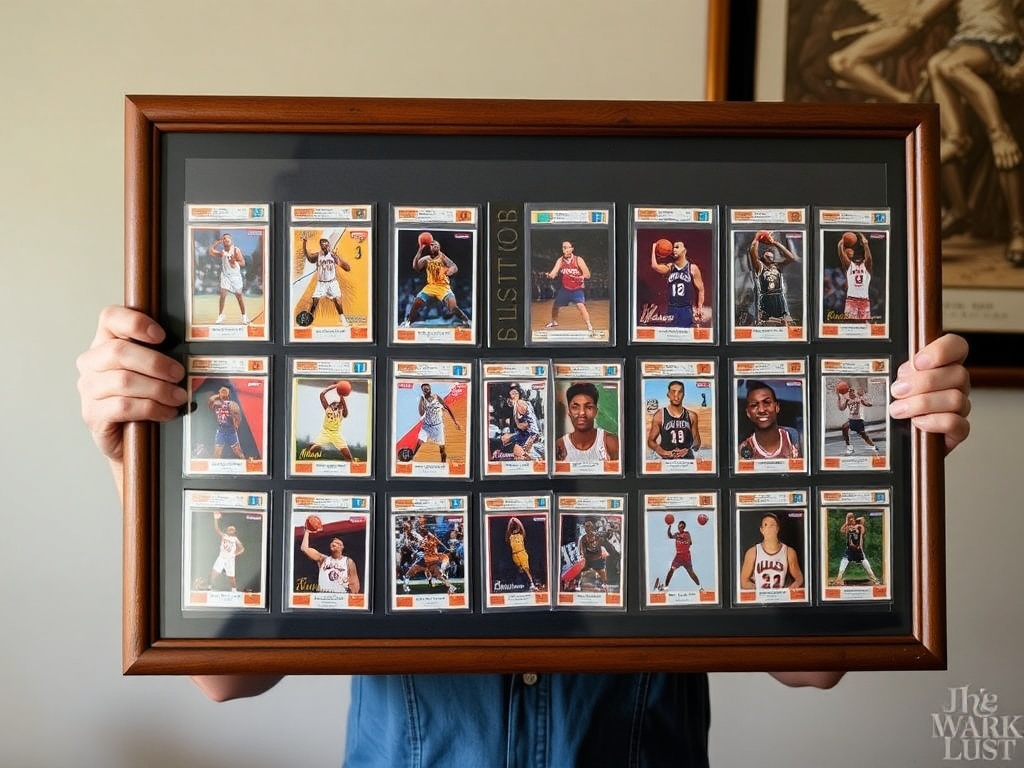
Basketball card collecting is a rewarding hobby that allows enthusiasts to connect with the history of the game, celebrate iconic players, and potentially profit from rare finds. Whether you're a seasoned collector or a beginner, this guide will help you navigate the exciting world of basketball cards.
Step 1: Understand the Basics of Basketball Cards
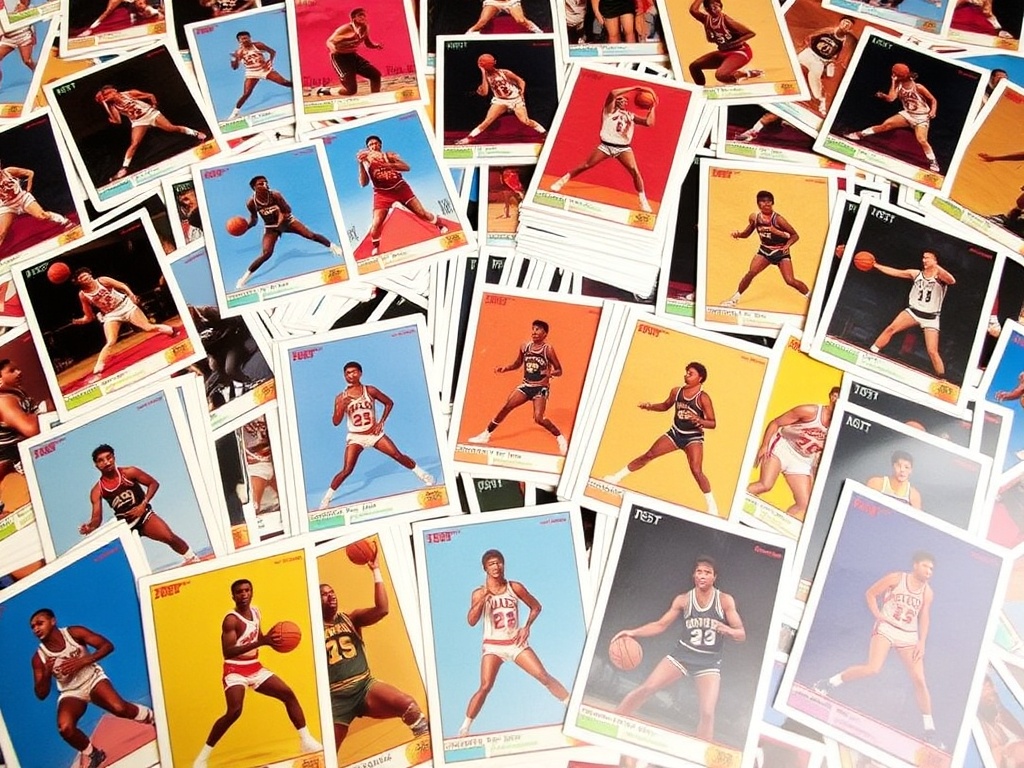
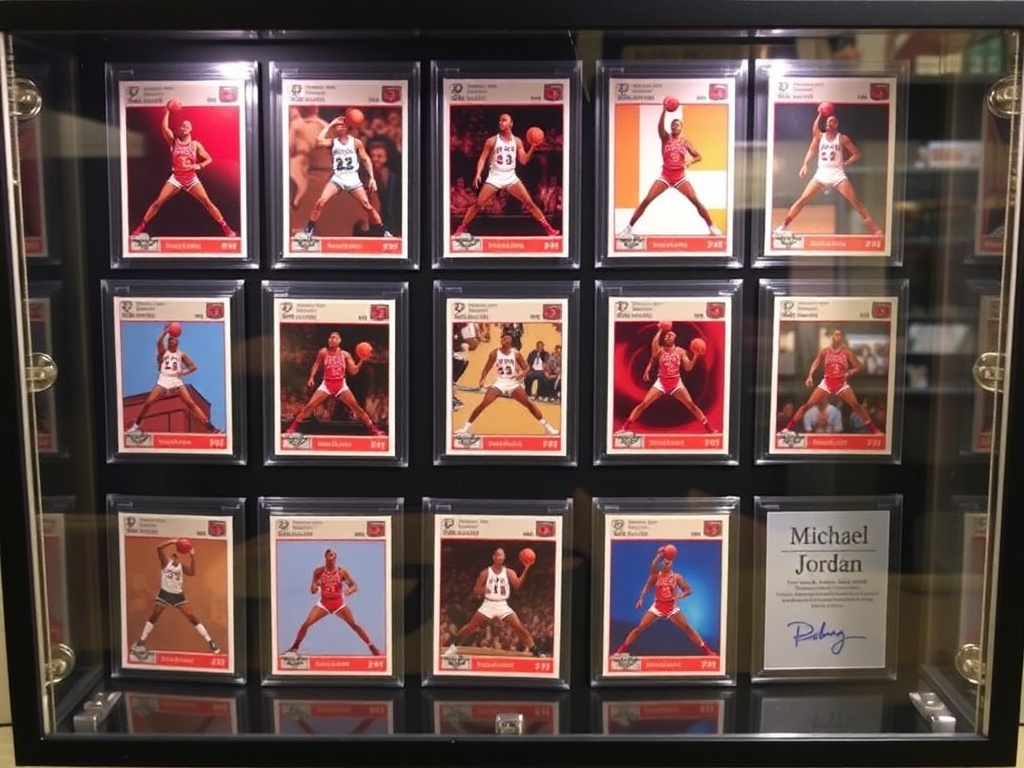
Basketball cards come in various types, from vintage legends like Michael Jordan to modern stars like LeBron James. Before diving into collecting, it’s important to familiarize yourself with the types of cards you might encounter:
- Base cards: These are standard cards that typically feature a player's image and stats.
- Rookie cards: These cards feature a player's first appearance in a set, often highly sought after.
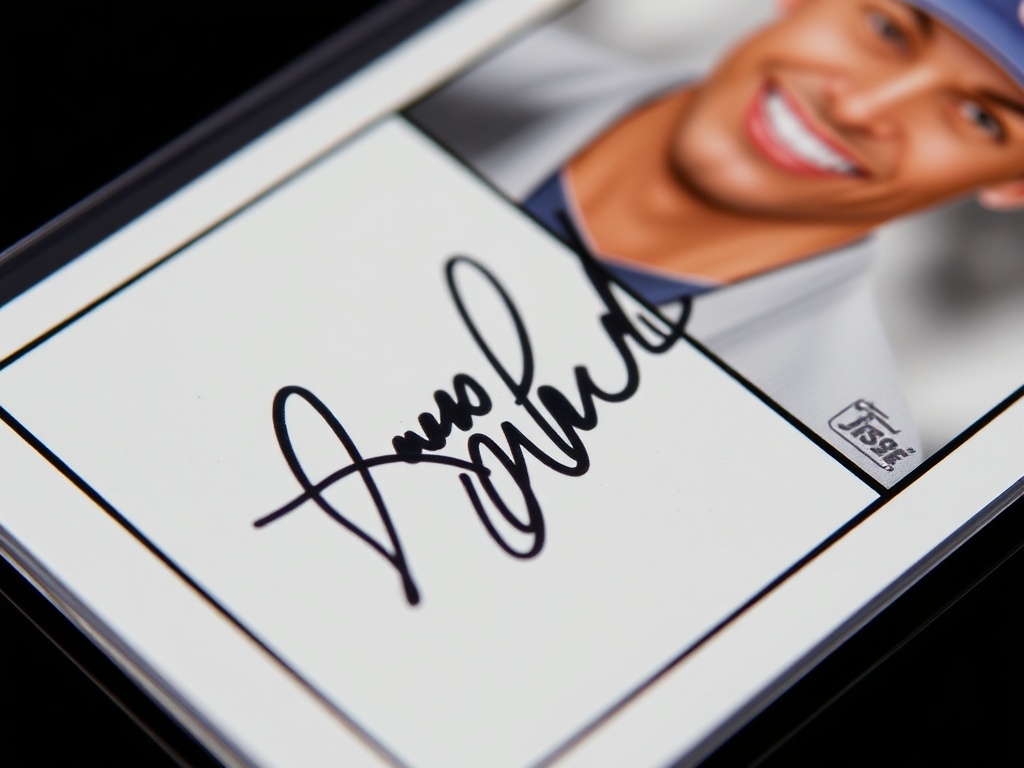
- Autographed cards: Cards signed by the player, adding authenticity and value.
- Game-worn memorabilia cards: Cards that contain a piece of a player's uniform, worn during an actual game.
Step 2: Choose Your Focus
While some collectors focus on accumulating as many cards as possible, others prefer a more specialized approach. You can choose to collect by:
- Player: Follow your favorite players, past and present.
- Team: Build collections around specific NBA teams.
- Era: Specialize in a particular era, such as the 90s or the current generation.
- Card Type: Focus on certain types of cards like autographs or relic cards.
Step 3: Where to Buy Basketball Cards
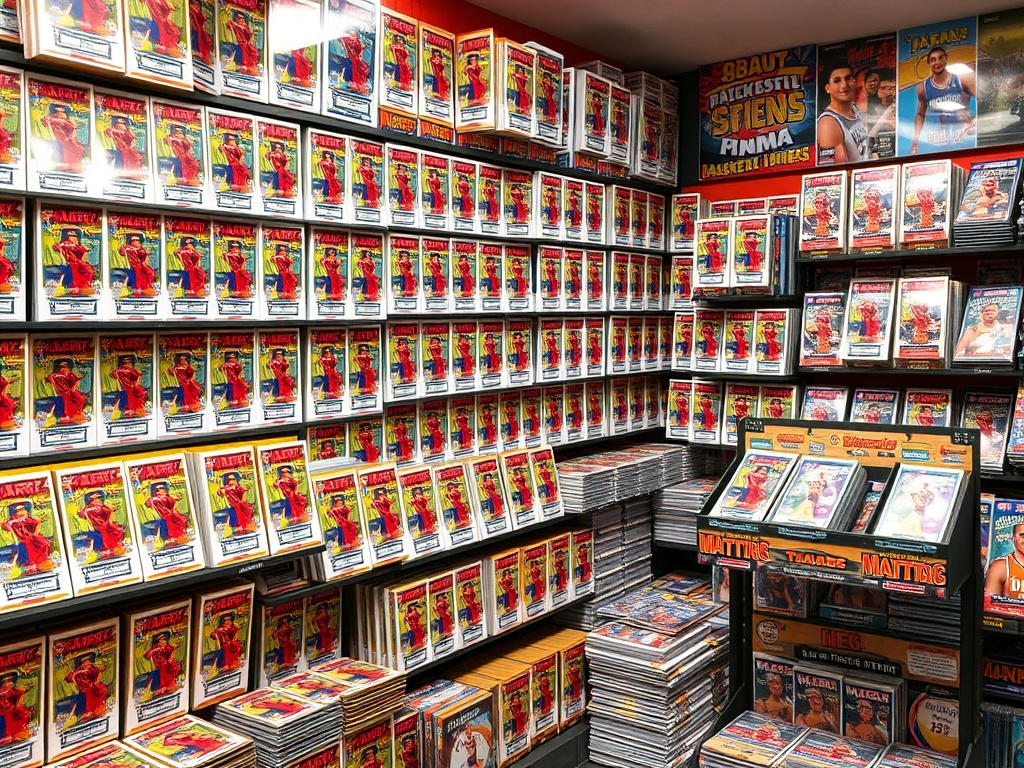
Finding the right place to buy basketball cards is crucial. Here are some options:
- Local card shops: Great for in-person browsing and expert advice.
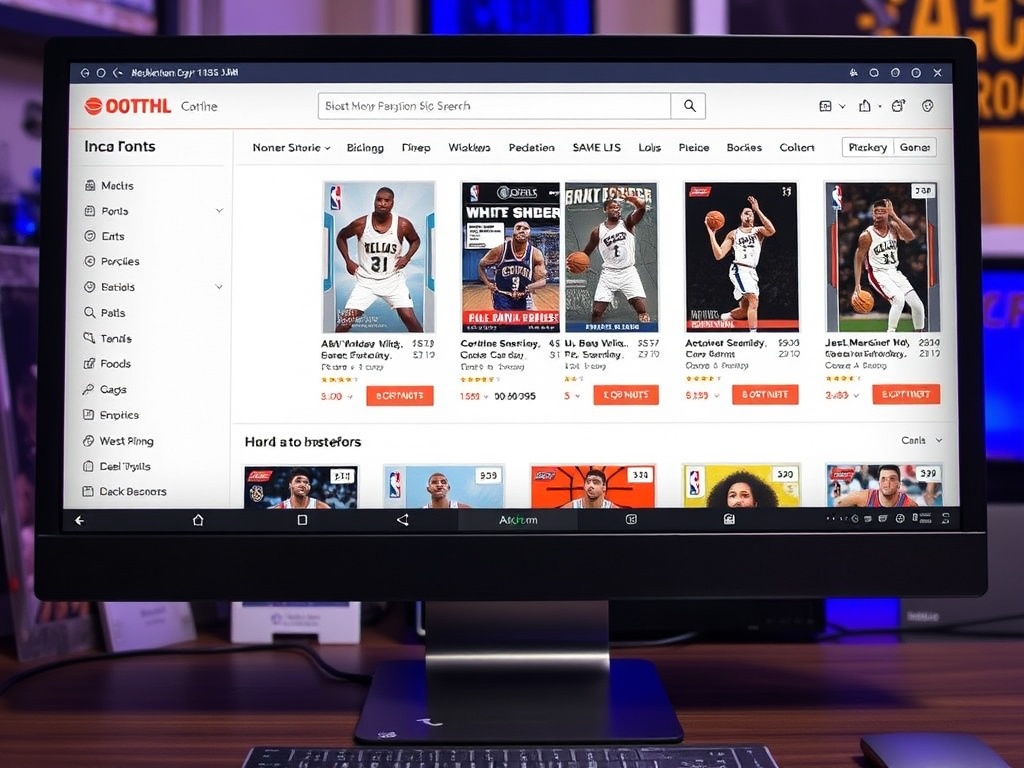
- Online marketplaces: Websites like eBay, COMC, and Facebook Marketplace offer a wide range of options.
- Trading events and conventions: These are excellent places to meet other collectors and find rare cards.
Step 4: Learn How to Grade Basketball Cards
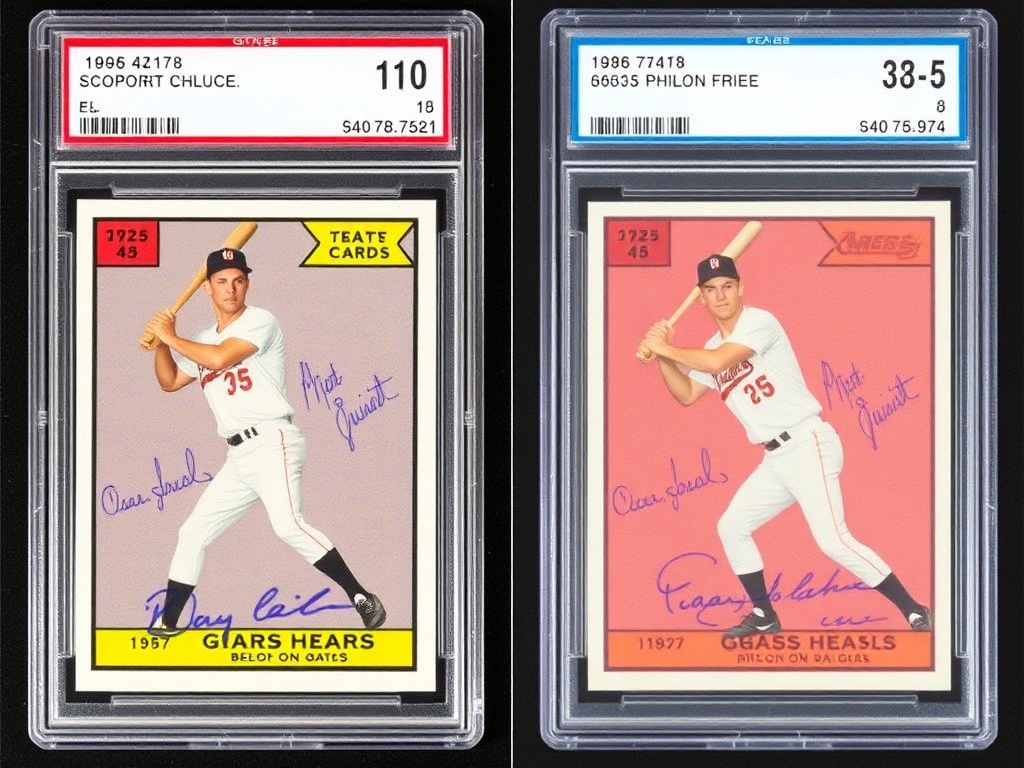
Card condition plays a huge role in value. Understanding how to grade cards is essential for determining whether your cards are worth selling or trading. The most common grading scale used is:
- Gem Mint (10): Perfect condition with no visible flaws.
- Mint (9): Nearly perfect, may have very minor defects.
- Near Mint (8): Slight wear, visible surface imperfections.
- Excellent (7): Noticeable wear, but still highly collectible.
- Good and lower: Cards that are more worn, but still valued by collectors for rarity.
Step 5: Storing and Protecting Your Cards
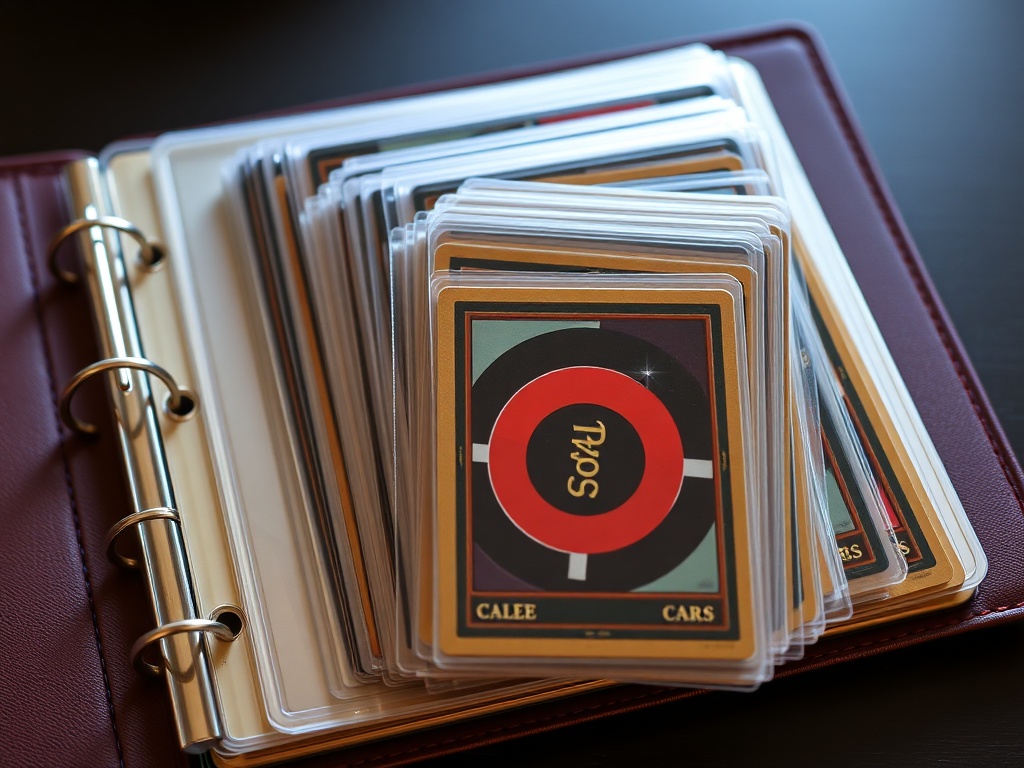
Once you've started collecting, proper storage and care are essential for maintaining the condition and value of your cards:
- Use penny sleeves: These thin plastic sleeves protect cards from scratches and dirt.
- Toploaders: Sturdy, rigid plastic protectors for high-value cards.
- Card binders: Great for organizing and displaying cards while keeping them safe.
- Climate control: Store your cards in a cool, dry place to prevent warping or mold.
Step 6: Keep Up with the Market
The basketball card market is constantly changing, with new cards and rare finds hitting the market every year. To stay ahead of the game, be sure to:
- Follow price guides: Websites like Beckett provide up-to-date pricing on card values.
- Join online communities: Forums, social media groups, and Reddit threads are great places to discuss trends and share information.
- Track auction sites: Keep an eye on auction results for high-value cards.
Conclusion: Building Your Basketball Card Legacy
Starting a basketball card collection is a fun and fulfilling hobby that can also be financially rewarding. By following these steps and staying informed about the market, you'll be well on your way to building a collection that showcases your love for the game and its history.